Understanding the psychological triggers behind gambling behavior at Chicken Road
Understanding the psychological triggers behind gambling behavior at Chicken Road
The Allure of Gambling: Why People Play
The excitement of gambling, especially in games like those found at Chicken Road, is often rooted in the thrill of risk-taking. Players are drawn to the adrenaline rush that comes with making bets, as well as the possibility of winning substantial rewards. The allure of instant gratification can be enticing, as a successful gamble offers not just financial gain but also a boost in self-esteem and a sense of accomplishment. Understanding this psychological draw can shed light on why individuals repeatedly engage in gambling activities. For those interested in exploring more, you can visit https://chicken-road-game-australia.com/ to enhance your knowledge about the games available.

Another significant factor contributing to gambling behavior is social interaction. Many people participate in gambling as a social activity, enjoying the camaraderie that comes from playing games together. This social aspect often encourages people to gamble more, as peer pressure and the desire to belong can influence decisions to take risks. The communal atmosphere at places like Chicken Road fosters this behavior, creating an environment where individuals feel empowered to join in and take chances alongside their friends.
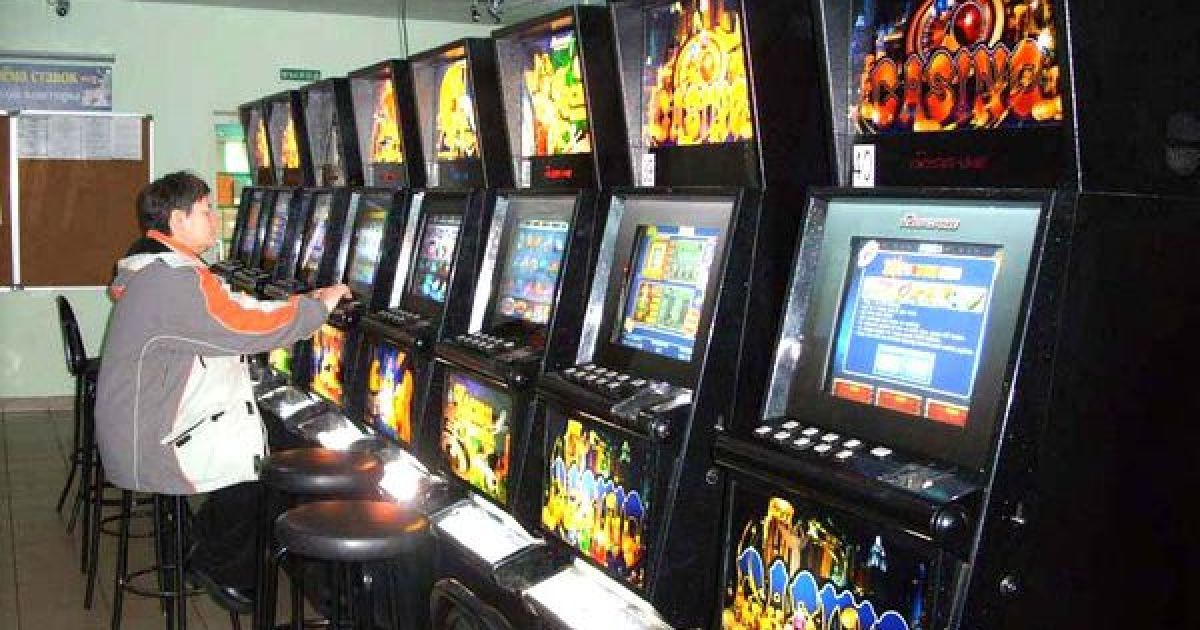
Moreover, the design and structure of gambling games, particularly in platforms such as the Chicken Road App, can enhance the psychological appeal. The visual and auditory stimuli, including flashing lights and engaging sound effects, create a sensory experience that captivates players. This immersive environment can lead to an altered state of consciousness, making it easier for individuals to lose track of time and money. Thus, the way these games are presented plays a crucial role in attracting and retaining players.
The Role of Cognitive Biases in Gambling
Cognitive biases significantly impact how individuals perceive their chances of winning in gambling scenarios. One prevalent bias is the illusion of control, where gamblers believe they have more influence over the outcome than they actually do. For example, a player may think that their betting strategies or their choice of games on Chicken Road can affect the results, leading them to gamble more aggressively. This misperception can cause them to continue playing even when faced with losses, as they feel compelled to chase their perceived control over the situation.
Another cognitive bias that fuels gambling behavior is the gambler’s fallacy, which is the belief that past outcomes influence future results. For instance, if a player sees that a specific game has not paid out for a while, they might feel that a win is “due” to happen soon. This faulty reasoning can perpetuate continued gambling, as players become convinced that their luck will eventually change in their favor. Such biases illustrate how distorted thinking can lead to an increase in gambling activities.
Additionally, confirmation bias plays a role, where individuals tend to favor information that supports their existing beliefs about gambling. If a player has previously won on Chicken Road, they might remember that experience vividly while ignoring the times they lost. This selective memory can contribute to a gambler’s continued engagement in gambling activities, reinforcing the idea that their winning streaks are more common than they actually are. These cognitive biases create a cycle that encourages further gambling despite potential negative consequences.
The Impact of Emotional States on Gambling Behavior
Emotions play a vital role in gambling behavior, with both positive and negative feelings influencing decisions to gamble. Players may turn to gambling as a way to escape from stress, anxiety, or depression. The thrill and excitement of placing a bet can serve as a temporary distraction from daily life, allowing individuals to momentarily forget their problems. However, using gambling as an emotional crutch can lead to a detrimental cycle, where individuals gamble more to cope, ultimately exacerbating their emotional distress.
Conversely, positive emotions can also trigger gambling behavior. When individuals experience feelings of happiness or excitement, they may be more inclined to take risks, viewing gambling as a way to amplify their joy. This can lead to impulsive decisions, such as betting larger amounts than they normally would. The environment at Chicken Road, with its vibrant atmosphere and exhilarating games, can heighten these emotions and encourage players to gamble more freely, potentially leading to harmful financial habits.
Furthermore, the relationship between emotions and gambling can also be influenced by external factors, such as promotional offers or peer encouragement. For instance, a gambler who receives a bonus may feel elated and compelled to wager more, reinforcing the connection between positive experiences and increased gambling behavior. Understanding this interplay between emotional states and gambling can provide valuable insights into why individuals may struggle to control their gambling habits.
Behavioral Strategies to Manage Gambling
To mitigate the risks associated with gambling, especially in engaging platforms like Chicken Road, individuals can adopt various behavioral strategies. One effective approach is setting strict personal limits on time and money spent on gambling. By establishing these boundaries before engaging in gameplay, individuals can create a framework that helps prevent excessive gambling. This proactive measure encourages players to enjoy the entertainment aspect of gambling without falling into harmful financial habits.
Another beneficial strategy is to engage in self-monitoring and reflection. Keeping track of wins and losses can provide players with a clearer perspective on their gambling behavior. By analyzing their gambling patterns, individuals can identify triggers and assess whether their play is becoming problematic. This self-awareness can empower players to make informed decisions about when to stop, allowing for a healthier relationship with gambling.
Additionally, seeking support from friends or professional organizations can be invaluable in managing gambling behavior. Building a support network can provide encouragement and accountability, helping individuals resist the urge to gamble excessively. Programs and resources focused on responsible gambling can equip individuals with skills and strategies to navigate their behavior effectively, ensuring that gaming remains a source of enjoyment rather than a source of stress or financial hardship.
Exploring Chicken Road: A Hub for Gamblers
Chicken Road serves as a unique platform for both casual gamers and seasoned gamblers, providing a rich environment filled with diverse gaming options. The app’s design emphasizes user engagement, making it easy for players to navigate through various games while enjoying an immersive experience. This user-friendly interface contributes to the overall appeal of gambling at Chicken Road, as individuals are naturally drawn to the ease of play and the array of choices available.
Moreover, the community aspect of Chicken Road adds another layer to the gambling experience. Players can interact with each other, sharing strategies and discussing their gameplay, which enhances the social dynamic of the app. This connectivity not only fosters a sense of belonging among players but can also lead to increased gambling activity as individuals encourage one another to participate. This aspect is essential in understanding the psychological triggers behind gambling behavior in such an engaging environment.
Finally, the importance of responsible gaming is emphasized within the Chicken Road community. The platform often promotes healthy gambling practices and offers resources for players who may need support. This commitment to fostering a positive gambling environment showcases the awareness of the psychological triggers that can influence behavior, encouraging individuals to approach gambling thoughtfully. By understanding these elements, players can enjoy Chicken Road while maintaining control over their gambling experiences.